
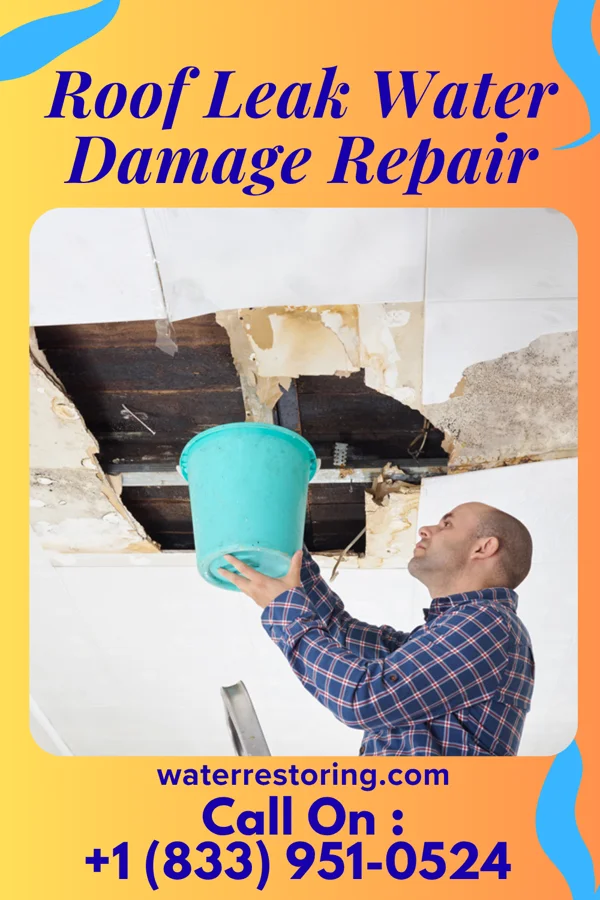
Roof Leaks Across Billings Neighborhoods
Every neighborhood in Billings has a different water damage risk profile. The one that shows up on most restoration calls is Billings experiences a humid continental climate with frequent thunderstorms during the spring and summer months. These storms can bring heavy rainfall and strong winds, which can lead to roof leaks and water damage. The region is also prone to sudden temperature changes, which can cause roofing materials to expand and contract, creating vulnerabilities.. A close second is In the fall, Billings can see a shift in weather patterns that may result in prolonged periods of rain and cooler temperatures. This can lead to condensation issues and prolonged moisture exposure, increasing the risk of water damage. Winter snowmelt can also contribute to roof leaks if the roofing system is not properly maintained..
Billings' climate, characterized by hot summers and cold winters, can cause roofing materials to degrade over time. The combination of humidity and frequent storms can lead to persistent moisture issues, which can result in mold growth and structural damage if not addressed promptly.
Water damage in Billings follows a few local patterns. Billings experiences a humid continental climate with frequent thunderstorms during the spring and summer months. These storms can bring heavy rainfall and strong winds, which can lead to roof leaks and water damage. The region is also prone to sudden temperature changes, which can cause roofing materials to expand and contract, creating vulnerabilities. accounts for the bulk of our calls. Billings' climate, characterized by hot summers and cold winters, can cause roofing materials to degrade over time. The combination of humidity and frequent storms can lead to persistent moisture issues, which can result in mold growth and structural damage if not addressed promptly. Mold can begin to grow within 48 hours of water exposure in Billings due to the region's high humidity levels. This can lead to secondary damage such as wood rot, weakened structural integrity, and health concerns for residents.